Is Buying a Home Better Than Renting? What First-Time Buyers Should Consider
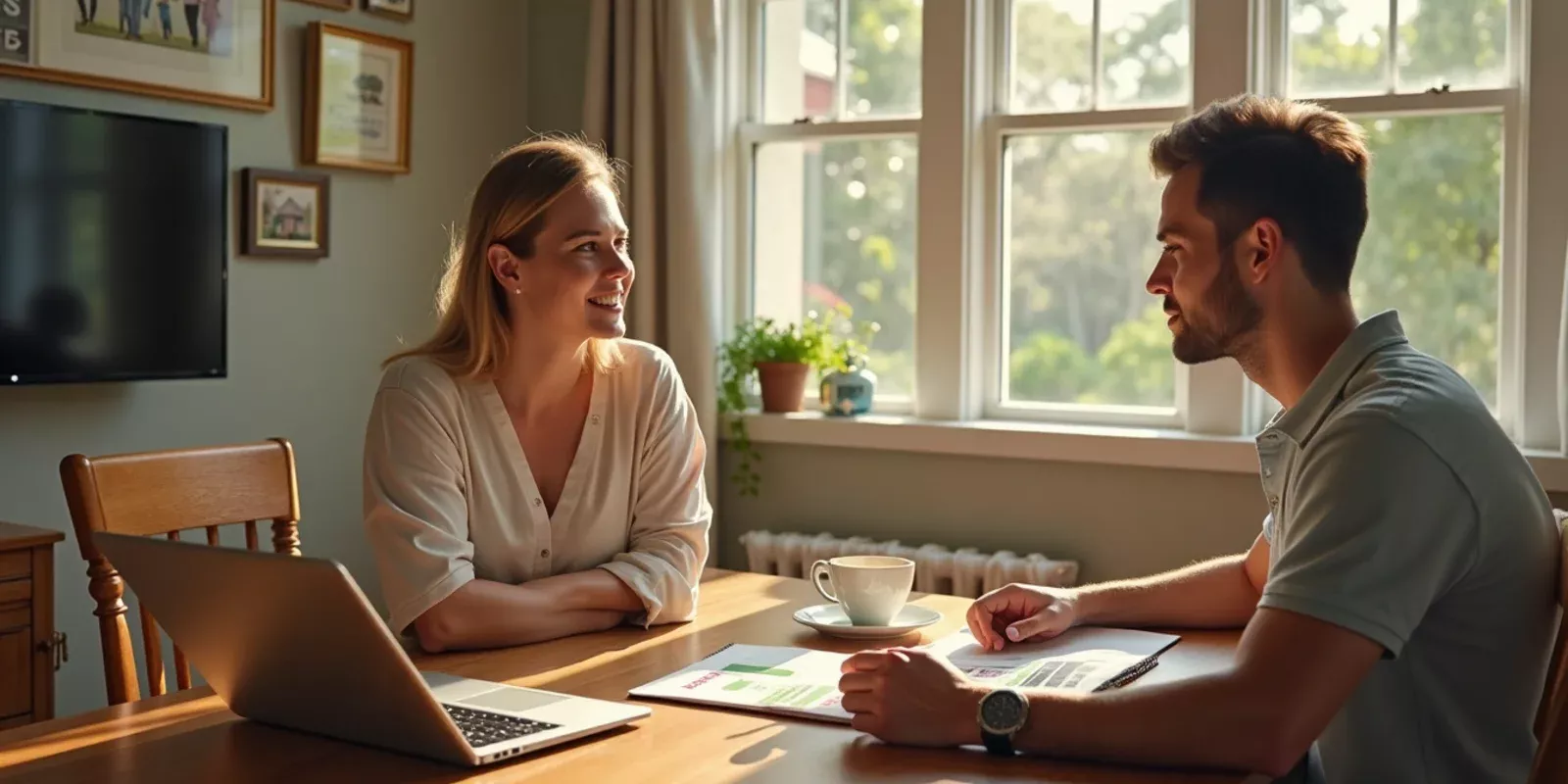
In South Florida, the decision to buy a home versus renting is complex. It hinges on personal finances, long-term goals, and individual circumstances. Understanding these factors is essential for first-time buyers weighing their options.
As a first-time buyer in South Florida, deciding whether to buy or rent is often overwhelming. Many people feel pressured by family and friends, but it’s crucial to approach this decision with clarity. Each option comes with its own set of advantages and drawbacks.
Take your time to evaluate your situation. Every person’s path is unique.
Your financial status plays a significant role in determining whether buying a home is better than renting. Here are some key aspects to consider:
Don’t rush into buying. Make sure it aligns with your financial goals.
Renting may seem less appealing initially, but it offers flexibility. If you’re uncertain about job stability or want to explore different neighborhoods, renting can be a wise choice.
Your expected time in the property significantly influences the decision. If you plan to stay in one place for several years, buying could be advantageous. However, if you're unsure about long-term commitments, renting provides more freedom.
A young professional named Sarah opted to rent for her first few years after college. She enjoyed the flexibility of moving closer to work as her career progressed. After three years of renting, she saved enough for a down payment and bought a condo near her office. For Sarah, renting was the right choice initially.
John and Lisa were expecting their second child when they decided to buy a house in South Florida. They had stable jobs and were ready to settle down in a neighborhood with good schools. Their purchase allowed them to build equity while providing a stable environment for their growing family.
A couple named Mike and Jen viewed buying as an investment rather than merely acquiring a home. They researched properties that had potential for appreciation in value and rented out part of their home to cover mortgage costs. Their approach turned their home into both a living space and an income-generating asset.
Your story is unique. Let’s discuss what works best for you!
No, it depends on personal financial situations and future plans. Analyze your specific circumstances before deciding.
You should consider closing costs, down payments, inspections, and potential repairs when budgeting for a new home.
A general guideline is at least five years if you want your investment to appreciate enough to cover selling costs.
Yes, many landlords are open to negotiation depending on market conditions and your rental history.
If property values decline, it can impact your equity but doesn’t necessarily mean financial ruin. Staying put until values recover can mitigate losses.
Evelyn Trujillo understands the challenges first-time buyers face in South Florida's real estate market. With her patient approach as a REALTOR®, she guides clients through the maze of buying versus renting decisions. If you're ready to explore your options further, feel free to reach out!

Evelyn Trujillo is a REALTOR® with eXp Realty serving Miami and communities throughout Miami-Dade County.
With more than 20 years living in Miami and a background in real estate, banking, finance and insurance, she brings a broader perspective to every real estate decision. Her approach is patient, analytical and focused on educating her clients, understanding their goals and providing clear, honest guidance throughout the process.
What Should First-Time Homebuyers Know Before Making an Offer?
First-time homebuyers in South Florida need to grasp key aspects before making an offer. This article covers budgeting, financing, property evaluation, and the post-offer process. Understanding these factors helps ensure informed decisions throughout the homebuying journey.
What Should Sellers Look for When Comparing Offers on a Home?
When selling your home, comparing offers involves more than just price. Consider factors like financing, contingencies, timing, and terms. Evaluating the complete offer can lead to a better decision that meets your needs and protects your interests.
How Can Sellers Negotiate Better Terms When Selling Their Home?
Negotiating the sale of a home in South Florida involves more than just price. Homeowners must prepare by identifying priorities, understanding market trends, and evaluating offers. Professional representation can enhance negotiation outcomes, ensuring a smoother process.